Regulatory Gatekeeping: How Approvals Control Bonus Eligibility Periods in Mobile Wagering
Written by Eden Berger · Aug 22, 2026
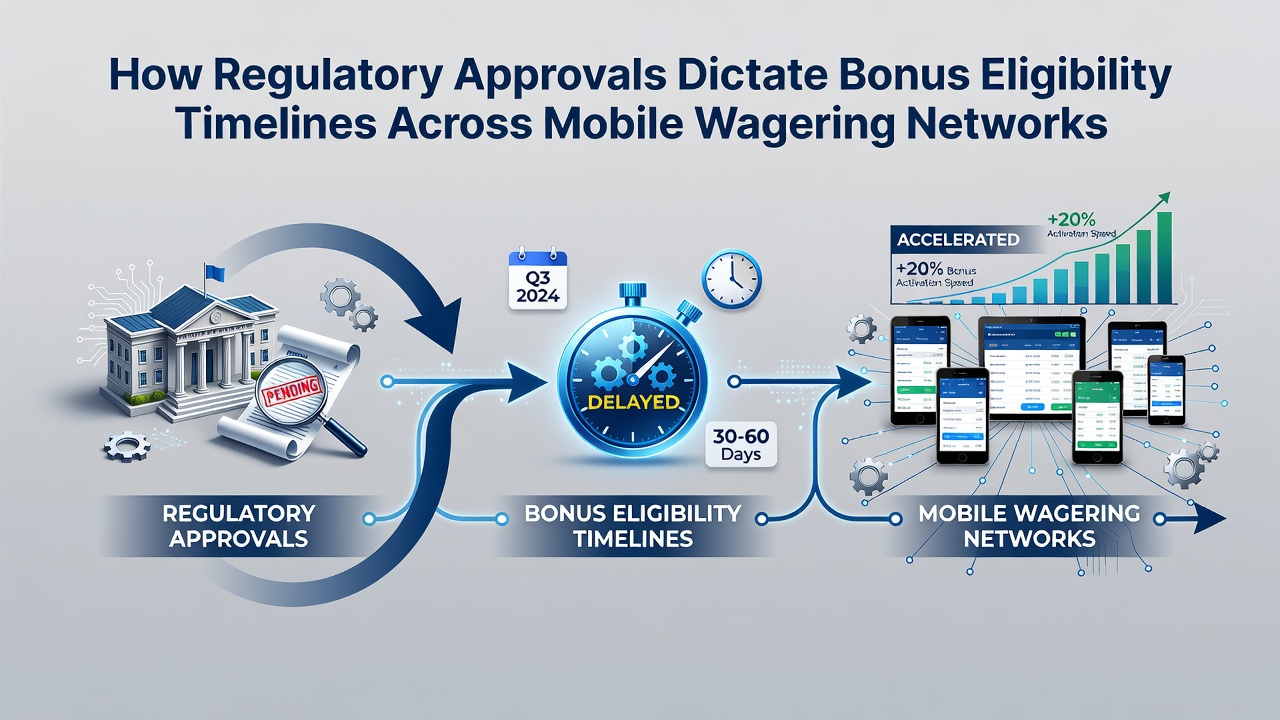
Regulatory Gatekeeping: How Approvals Control Bonus Eligibility Periods in Mobile Wagering
Regulatory bodies across multiple jurisdictions require formal review and sign-off before mobile wagering operators can activate any promotional bonuses, and this process directly sets the calendar for when players gain access to those offers. Approval timelines vary by region yet consistently involve documentation checks, compliance audits, and sometimes public comment periods that stretch from weeks into months. Operators must submit detailed bonus structures, including eligibility rules, wagering requirements, and payout caps, before regulators grant the green light.
Core Approval Mechanisms Across Jurisdictions
State gaming commissions in the United States and equivalent authorities in Canada and Australia mandate separate filings for each bonus type, whether deposit matches, free bets, or loyalty rewards, because each promotion carries distinct risk profiles that regulators evaluate individually. Data from licensing records shows that Michigan operators submitted over 200 bonus proposals in the first half of 2026 alone, with average processing times running between 45 and 90 days depending on complexity. Those who've tracked these filings note that simpler reload bonuses clear faster while tiered VIP structures often trigger additional scrutiny on responsible gambling features.
Documentation and Compliance Layers
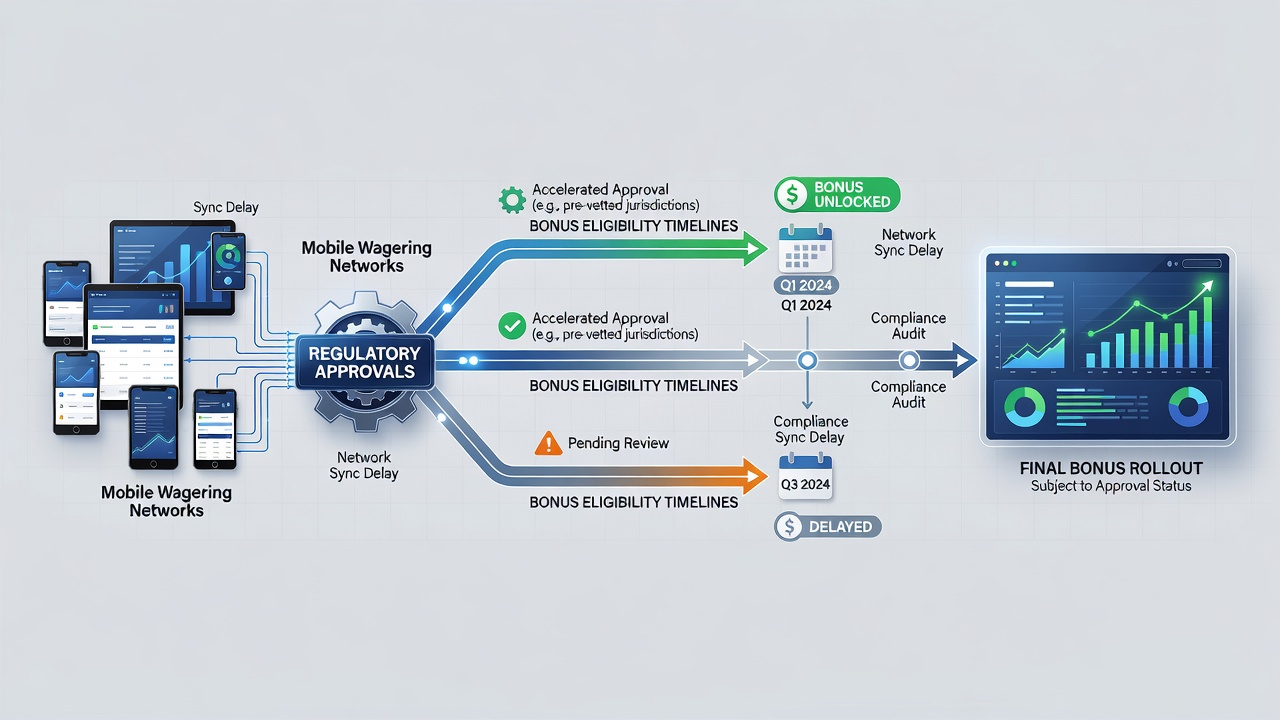
Operators compile extensive packages that include game mathematics, player fund segregation plans, and third-party audit reports before submission, and regulators then cross-check these materials against local statutes. Any mismatch forces resubmission and restarts the clock. In August 2026 several Canadian provinces introduced standardized templates for bonus applications, which trimmed average review periods by roughly 15 percent according to industry filings, yet the change also required operators to adopt new reporting formats that initially slowed some submissions. The Alcohol and Gaming Commission of Ontario maintains public dashboards that list current application statuses, allowing operators to anticipate delays when multiple proposals stack in the queue.
Cross-Border Platform Challenges
Mobile networks operating across state or national lines face additional hurdles because each jurisdiction retains independent approval authority even when the same app serves users in multiple locations. A bonus cleared in New Jersey may still require separate review in Pennsylvania or Ontario before appearing for users there, which fragments rollout schedules and forces operators to maintain parallel calendars. Research from the University of Nevada, Las Vegas gaming studies program indicates that multi-state operators spend approximately 30 percent more administrative time managing staggered bonus launches compared with single-jurisdiction platforms. Those delays compound when regulators request jurisdiction-specific responsible gambling messaging or tax withholding adjustments.
Seasonal and Market-Driven Timing Effects
Regulators often align approval cycles with fiscal quarters or major sporting events, creating predictable windows when new bonuses appear and when older ones must be retired. Operators who plan launches around major league seasons or international tournaments submit materials months ahead to meet these internal calendars. Figures released by the New Jersey Division of Gaming Enforcement reveal that bonus-related filings peak in March and September, coinciding with the start of baseball and football seasons respectively. Because each filing still requires full review regardless of timing, operators build buffer periods into their marketing plans to absorb any last-minute compliance adjustments.
Player Eligibility Verification Overlaps
Bonus eligibility frequently hinges on completed KYC checks and account verification steps that themselves depend on regulatory-approved identity systems. When regulators update verification standards, as several jurisdictions did in early 2026, operators must pause or modify bonus offers until the new protocols receive formal clearance. This creates ripple effects where players who completed earlier verification steps suddenly fall outside updated eligibility windows until their accounts are revalidated under the revised rules.
Future Adjustments and Industry Adaptation
Industry groups continue to advocate for streamlined multi-jurisdiction review processes that would preserve regulatory oversight while shortening approval cycles, yet each authority maintains final discretion over its own territory. Recent proposals in Australia and several European markets explore mutual recognition agreements for certain low-risk bonus types, though implementation remains limited as of August 2026. Operators adapt by maintaining rolling submission pipelines and by designing modular bonus structures that allow quick swaps of terms when regulators request modifications during review.
Conclusion
Regulatory approval processes establish the fundamental timeline for bonus availability across mobile wagering networks, shaping everything from initial offer design to final player access. Jurisdictional differences, documentation requirements, and verification overlaps create staggered schedules that operators must navigate through careful planning and parallel filings. As regulatory frameworks evolve, the core relationship between approval cycles and bonus eligibility remains fixed, with each new rule change directly influencing when and how players can participate in promotional offers.