Licensing Rules Determine Deposit Methods for Hybrid Live Gaming Platforms
Written by Clara Schmidt · Jun 23, 2026
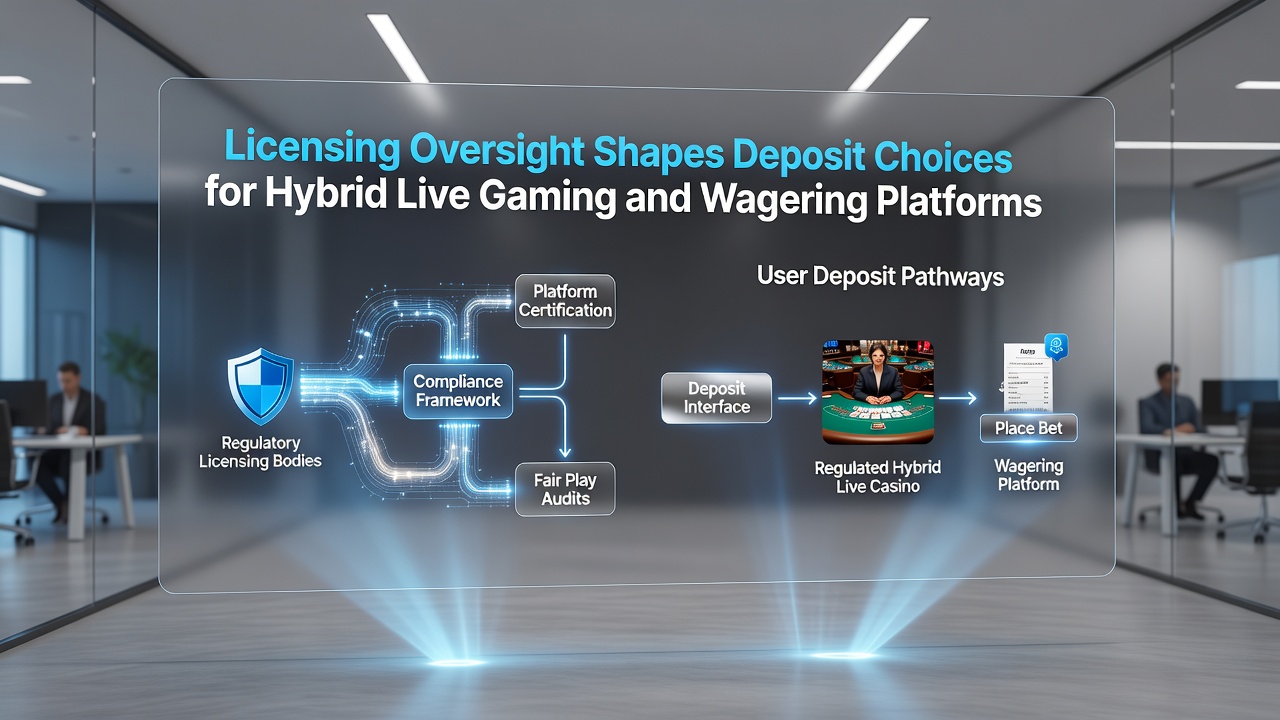
Licensing Rules Determine Deposit Methods for Hybrid Live Gaming Platforms
Regulatory licensing frameworks across multiple jurisdictions continue to guide the payment processors and funding channels available on hybrid platforms that combine live dealer tables with sports wagering, and observers note that these rules often prioritize security standards and transaction monitoring requirements established by oversight bodies. Data from industry reports shows that operators holding multiple licenses must align their deposit systems with the strictest conditions imposed by each regulatory authority, which leads to variations in accepted methods such as bank transfers, e-wallets, and prepaid cards depending on the region served.
Regional Licensing Variations and Payment Restrictions
Authorities in different markets impose distinct conditions on deposit options, and those who manage hybrid sites frequently adjust their systems to maintain compliance across borders. For instance, certain U.S. state regulators require integration with state-approved financial institutions for all real-money transactions, while platforms operating under licenses from European authorities often incorporate additional verification layers for cross-border transfers. Figures from regulatory filings reveal that operators in Asia-Pacific regions face limits on cryptocurrency deposits under specific licensing terms, prompting many hybrid platforms to route such transactions through licensed intermediaries that meet anti-money laundering protocols.
June 2026 updates from several oversight agencies have clarified how license conditions affect instant deposit features, with data indicating that platforms must now route certain high-value transactions through monitored channels to satisfy reporting thresholds. Those who've examined compliance records note that these adjustments create differences in processing speeds and available funding tools between markets, even when the same operator manages multiple sites.
Impact on Player Funding Experiences
Hybrid platforms serving both live gaming tables and wagering markets must balance licensing demands with user preferences for quick and reliable deposits, and research from trade associations shows that licensed operators often restrict options to those vetted by regulators to avoid penalties. One case highlighted in recent analyses involves a multi-jurisdiction operator that replaced certain digital wallet providers after a licensing review required enhanced fraud detection features, which altered deposit availability for users in overlapping regions. Evidence suggests that such changes lead to standardized lists of approved methods that prioritize traceability over convenience in some cases.

What's interesting is how these licensing constraints interact with technological integrations, as platforms must update their payment gateways whenever a new condition appears in their license agreements. According to reports from the New Jersey Division of Gaming Enforcement, operators in that market have documented shifts toward processor partnerships that include real-time monitoring tools, which in turn shape the deposit choices presented to users accessing combined live dealer and betting services.
Compliance Adjustments and Emerging Deposit Trends
Observers tracking global patterns point out that licensing bodies in Canada and Australia have introduced guidelines encouraging the use of locally regulated banking partners for hybrid platform deposits, and this has resulted in fewer international e-wallet options appearing in those markets. Studies from research institutions indicate that these regional preferences contribute to segmented user experiences where deposit reliability varies based on the primary license governing each platform section. Platforms operating under multiple frameworks often maintain separate payment flows to meet all conditions simultaneously without triggering violations.
Recent data compiled through industry monitoring shows an increase in the adoption of tokenized payment systems among licensed operators, particularly where oversight requires end-to-end encryption and audit trails for every transaction. Those who follow regulatory developments note that such systems allow hybrid sites to offer consistent deposit functionality while satisfying diverse licensing terms across jurisdictions.
Conclusion
Licensing oversight continues to play a central role in defining which deposit methods appear on hybrid live gaming and wagering platforms, with regulatory conditions directly influencing processor partnerships and transaction monitoring setups. Data from multiple sources confirms that operators adapt their systems to align with the requirements of each license they hold, creating noticeable differences in funding options across regions. As frameworks evolve, platforms maintain compliance by integrating approved channels that support both live dealer activities and sports wagering under unified regulatory standards.