How State-by-State License Rules Are Shifting Bonus adn Payout Schedules in Cross-Border Online Wagering Systems
Written by Carlo Richter · Jun 30, 2026
How State-by-State License Rules Are Shifting Bonus adn Payout Schedules in Cross-Border Online Wagering Systems
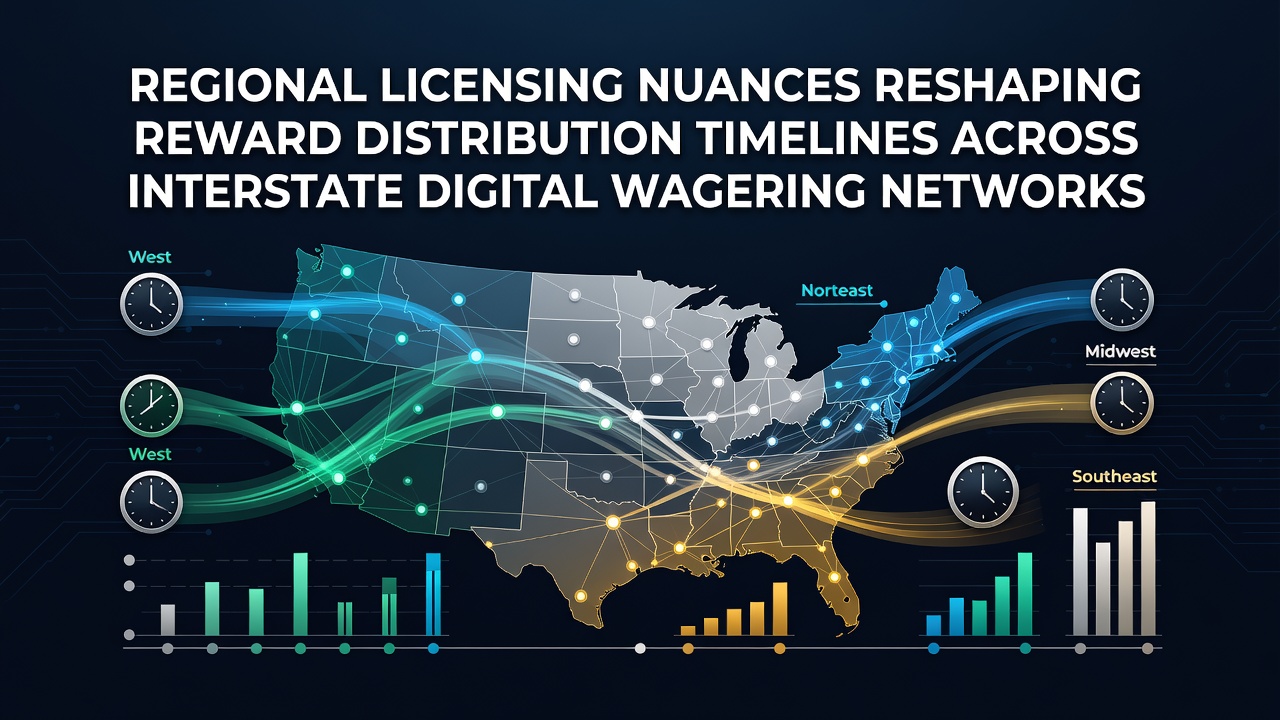
Regional licensing rules continue to create distinct timelines for reward distribution across interstate digital wagering networks, and operators must navigate these differences daily. States maintain separate approval processes for bonus structures, withdrawal verification periods, and loyalty point redemptions, which directly affects how quickly players receive funds when they cross state lines through shared platforms. Data from regulatory filings shows that these variations have grown more pronounced since early 2025, with several jurisdictions updating their compliance checklists in response to expanded multi-state agreements.
State Licensing Frameworks Create Uneven Processing Windows
Each state that permits interstate digital wagering applies its own set of timing requirements for reward releases, and these requirements rarely align perfectly. One jurisdiction might mandate same-day processing for verified loyalty redemptions while another requires a 48-hour review window for any bonus above a set threshold. Operators report that they now build automated routing systems to hold or release funds based on the player's current location and the license that covers that session. Researchers at gaming policy centers note that these routing systems have reduced manual review times by roughly 30 percent in states with clear digital audit trails, yet delays still occur when a player transitions between two networks with conflicting rules.
Take the example of a player who earns a deposit-match bonus while connected through a server in one state and then attempts to redeem winnings after crossing into another. The originating license may allow instant transfer of the bonus portion, whereas the destination license triggers an additional identity check that adds 24 to 72 hours. Observers at industry conferences in spring 2026 described this mismatch as a routine operational hurdle rather than an exception, especially along corridors where multiple states share player pools.
June 2026 Updates Highlight New Verification Layers
Regulatory bodies in several states released revised guidelines during June 2026 that added extra verification steps for reward accounts tied to interstate play. These steps include cross-referencing transaction histories against a central database maintained by participating commissions, which lengthens the window between reward claim and fund availability. Figures released by the Illinois Gaming Board indicate that average redemption times for multi-state loyalty programs rose from 18 hours to 31 hours following the June updates. Similar patterns appear in filings from neighboring states that adopted parallel verification protocols around the same period.
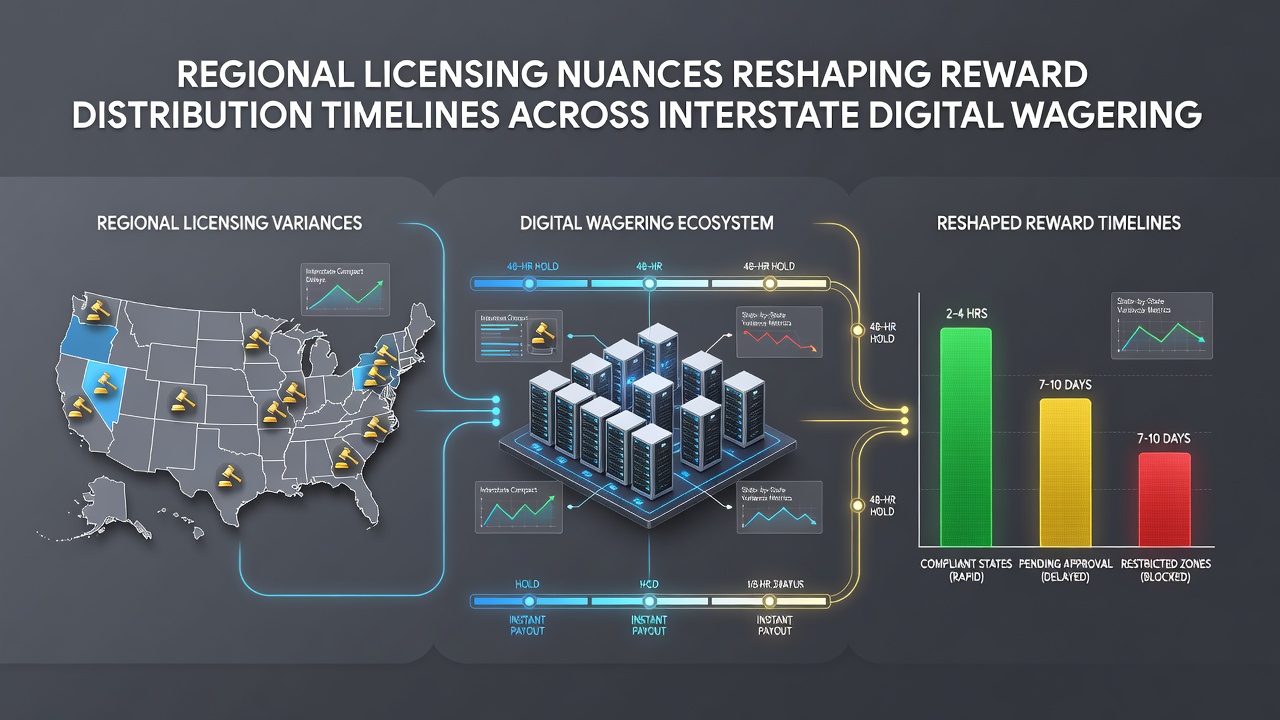
Operators responded by adjusting their internal calendars so that reward distribution batches are scheduled only after all relevant state checks clear. This adjustment prevents partial releases that could later be flagged during audits. Data shared at a mid-June industry roundtable showed that platforms using these batch schedules experienced a 22 percent drop in compliance notices compared with those still relying on real-time releases.
Technical Adjustments and Player Communication Strategies
Companies operating across state lines have introduced in-app notifications that display estimated release dates based on the player's detected location and the active license. These notifications pull from a shared compliance engine that factors in each jurisdiction's current processing rules. According to a report published by the University of Nevada, Reno's gaming research division, clear communication of these timelines correlates with higher player retention rates in markets where reward delays previously prompted support tickets. The report examined anonymized session data from four states and found that transparent estimates reduced repeat inquiries by nearly half.
Some networks now offer an optional fast-track verification service for frequent cross-border players, though enrollment remains subject to each state's licensing conditions. Players who complete the fast-track process see their reward timelines compressed by an average of 14 hours, provided both the origin and destination licenses accept the pre-cleared status. This option has proven especially useful in corridors where daily commuters regularly switch between two or three different regulatory environments.
Looking Ahead at Compliance Coordination
Discussions among state regulators continue to explore greater harmonization of reward timelines, yet full alignment remains distant because each jurisdiction retains authority over its own licensees. A white paper circulated by the Canadian Gaming Association in late May 2026 examined similar cross-province challenges and suggested that shared audit standards could serve as a model for U.S. states seeking incremental improvements without surrendering local control. While the paper focused on North American examples outside the United States, several U.S. commissions referenced its findings during June briefings.
Operators expect further refinements to automated compliance tools throughout the second half of 2026, particularly as new interstate compacts come online. These tools will likely incorporate machine-learning models that predict processing delays based on historical patterns across license types, allowing platforms to surface more accurate estimates before players initiate reward claims.
Conclusion
Regional licensing nuances continue to dictate the pace at which rewards move through interstate digital wagering networks, and operators have adapted by embedding location-aware scheduling into their core systems. June 2026 updates added verification layers that lengthened average timelines in multiple states, yet technical solutions and clearer player communication have helped offset some of the friction. As more states refine their rules and share best practices, the industry will keep adjusting distribution windows to satisfy every license that governs a given session.