Evolving Player Bases Prompt Innovations in Loyalty Rewards for Interstate Digital Wagering Operators
Written by Eden Berger · May 26, 2026
Evolving Player Bases Prompt Innovations in Loyalty Rewards for Interstate Digital Wagering Operators
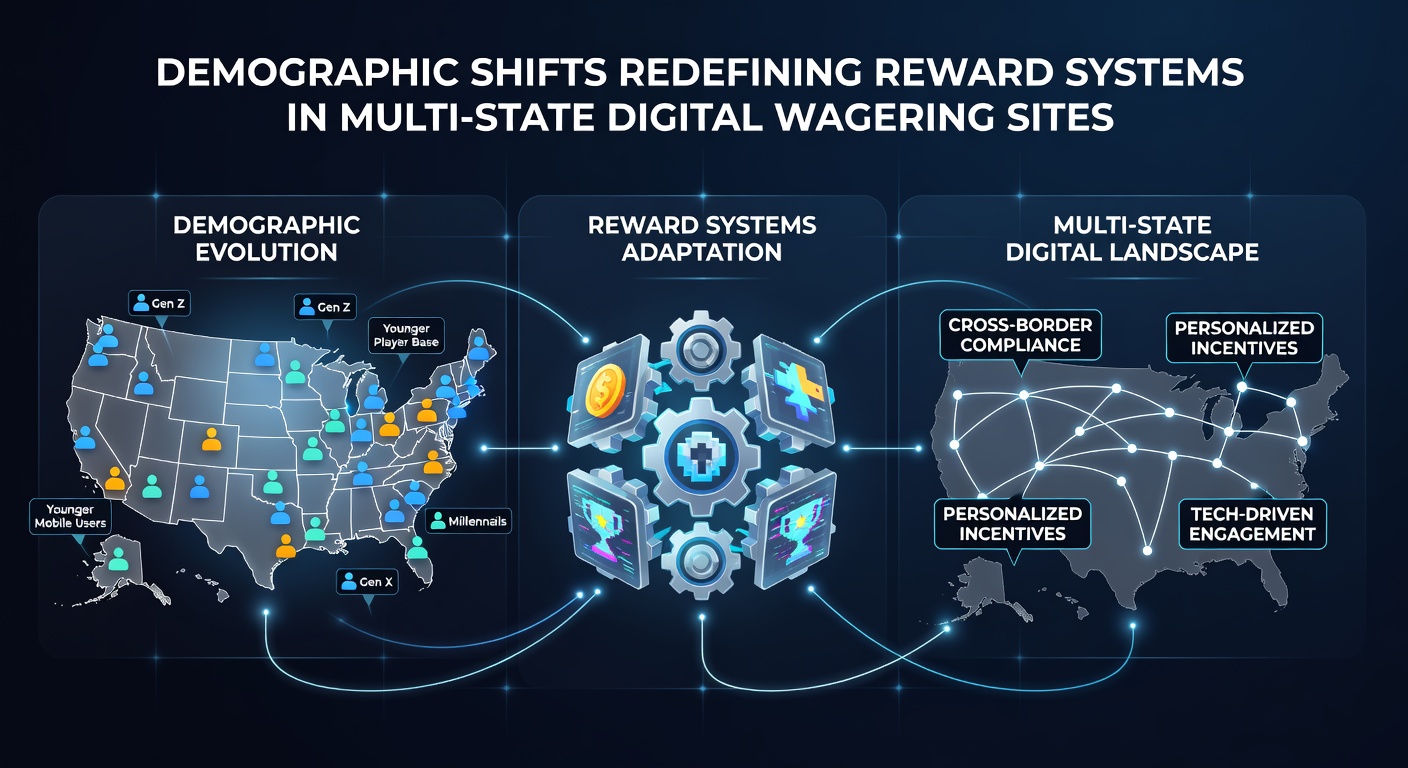
Demographic changes continue to influence how multi-state digital wagering platforms design their reward systems, with operators adjusting loyalty structures to match shifting player profiles across different regions. Data from state regulatory bodies shows increases in participation from younger adults alongside steady engagement from established user groups, and these patterns have prompted modifications in bonus offerings and retention tools.
Age Distribution Patterns Across Platforms
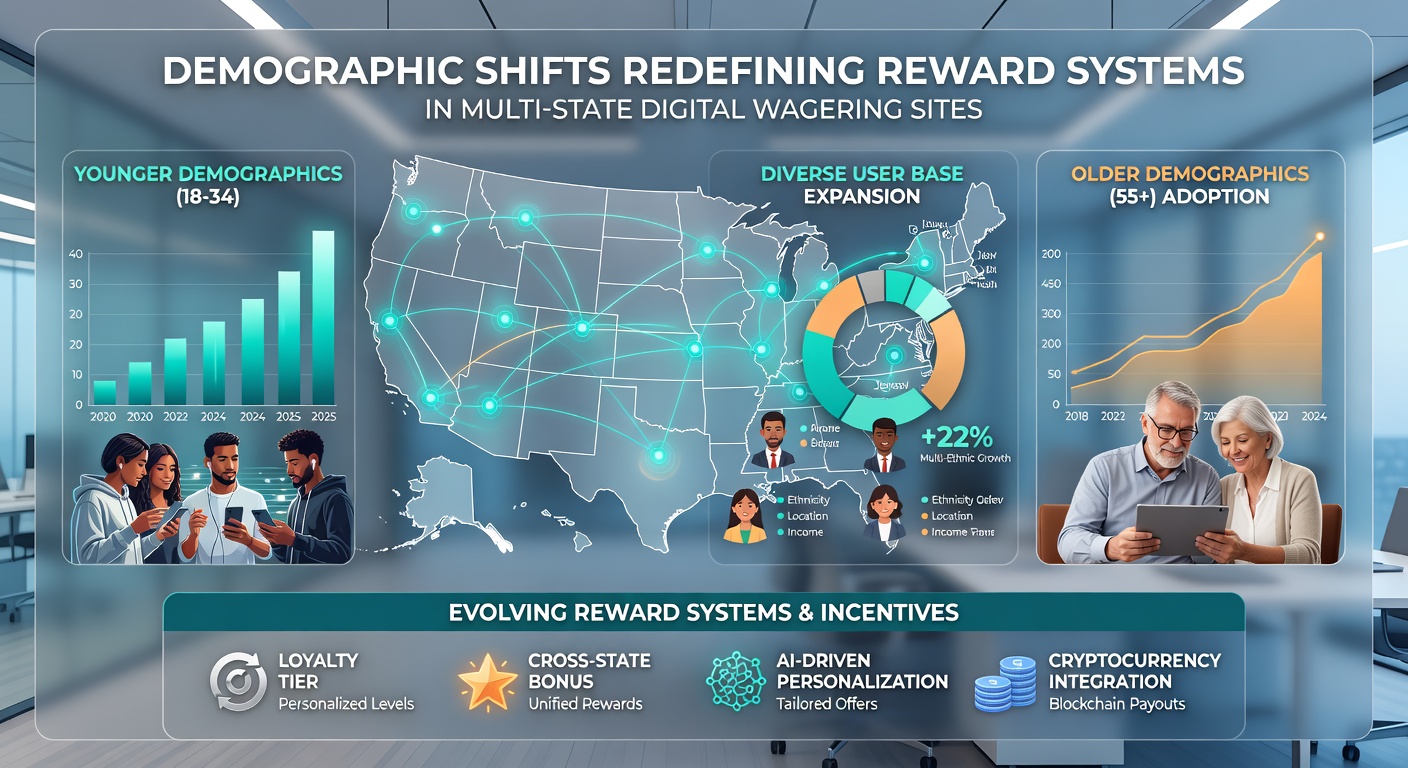
Younger demographics, particularly those aged 21 to 35, demonstrate preferences for immediate reward formats such as instant cashback and digital currency options, while users over 45 often engage more consistently with accumulated point systems that lead to physical comps like event tickets or merchandise. Figures from the New Jersey Division of Gaming Enforcement indicate that mobile-based reward redemptions rose notably between 2023 and 2025 in states with expanded licensing, and this trend aligns with higher smartphone adoption rates among newer entrants to the market.
Operators have responded by segmenting their programs into tiers that cater to these distinctions, with automated systems tracking user behavior to deliver tailored incentives without manual intervention. Research from academic institutions, including studies conducted at the University of Nevada, Las Vegas, highlights how these age-based variations affect session lengths and deposit frequencies, leading platforms to integrate flexible redemption windows that accommodate both quick-turnaround preferences and longer-term accumulation goals.
Geographic and Cultural Influences on Reward Preferences
Multi-state operations must navigate varying player compositions tied to regional demographics, where urban centers show higher interest in social and experiential rewards compared to rural areas that favor straightforward monetary returns. Platforms licensed across multiple jurisdictions collect aggregated data that reveals correlations between user location and chosen reward types, prompting the introduction of localized promotions that reference nearby events or regional partnerships.
According to reports compiled by the Australian Gambling Research Centre, similar patterns appear in cross-border digital markets where cultural factors shape payment method selections and subsequent loyalty integrations. These observations have encouraged U.S.-based operators to expand options like cryptocurrency rewards in states with tech-savvy populations, while maintaining traditional banking integrations elsewhere to serve broader user bases.
Gender and Household Dynamics in Program Design
Participation data reveals gradual increases in female engagement across digital wagering sites, with reward systems incorporating elements such as family-oriented incentives and wellness-related perks to address these shifts. Platforms track household-level activity to offer shared benefits that appeal to diverse group structures, and this approach has gained traction in markets like Pennsylvania and Michigan where regulatory approvals allow for expanded feature testing.
What's interesting is how these adjustments connect to broader usage statistics released by the Canadian Gaming Association, which document parallel developments in North American markets and underscore the value of flexible reward catalogs that evolve with user feedback loops.
Technology Integration and Personalization Trends
By May 2026, industry forecasts project further refinements in artificial intelligence-driven personalization tools that analyze demographic inputs to refine reward delivery timing and content. Multi-state operators already employ these systems to synchronize offers across state lines while complying with individual regulatory requirements, resulting in seamless experiences for users who travel or maintain accounts in several jurisdictions.
Evidence from platform analytics shows that users respond positively to hybrid models combining instant micro-rewards with milestone-based achievements, and this balance addresses the spectrum of demographic needs without requiring separate program architectures. Observers note that such integrations reduce churn rates by aligning incentives with actual behavioral data rather than generalized assumptions.
Regulatory Frameworks Shaping Reward Adaptations
State-level gaming commissions enforce guidelines that influence how demographic data informs reward structures, requiring transparency in point valuation and redemption processes. These rules vary by jurisdiction yet share common elements around consumer protection, which operators address through standardized disclosures embedded in their loyalty interfaces. The result is a landscape where platforms maintain core reward mechanics that adapt regionally without compromising operational consistency.
But here's the thing: successful implementations often rely on partnerships with data analytics firms that specialize in gaming metrics, allowing operators to stay ahead of demographic transitions documented in periodic regulatory filings.
Conclusion
Demographic shifts continue to drive measurable changes in how multi-state digital wagering sites structure their reward systems, with operators relying on data from regulatory sources and academic research to guide adaptations. These developments reflect broader patterns in user engagement across licensed platforms, where flexible and segmented approaches help maintain relevance amid evolving player bases. As markets mature, ongoing monitoring of participation trends will likely sustain these iterative refinements in loyalty programming.