Digital Transaction Pathways and Regulatory Oversight in Cross-Border Wagering Operations
Written by Clara Schmidt · Aug 18, 2026
Digital Transaction Pathways and Regulatory Oversight in Cross-Border Wagering Operations
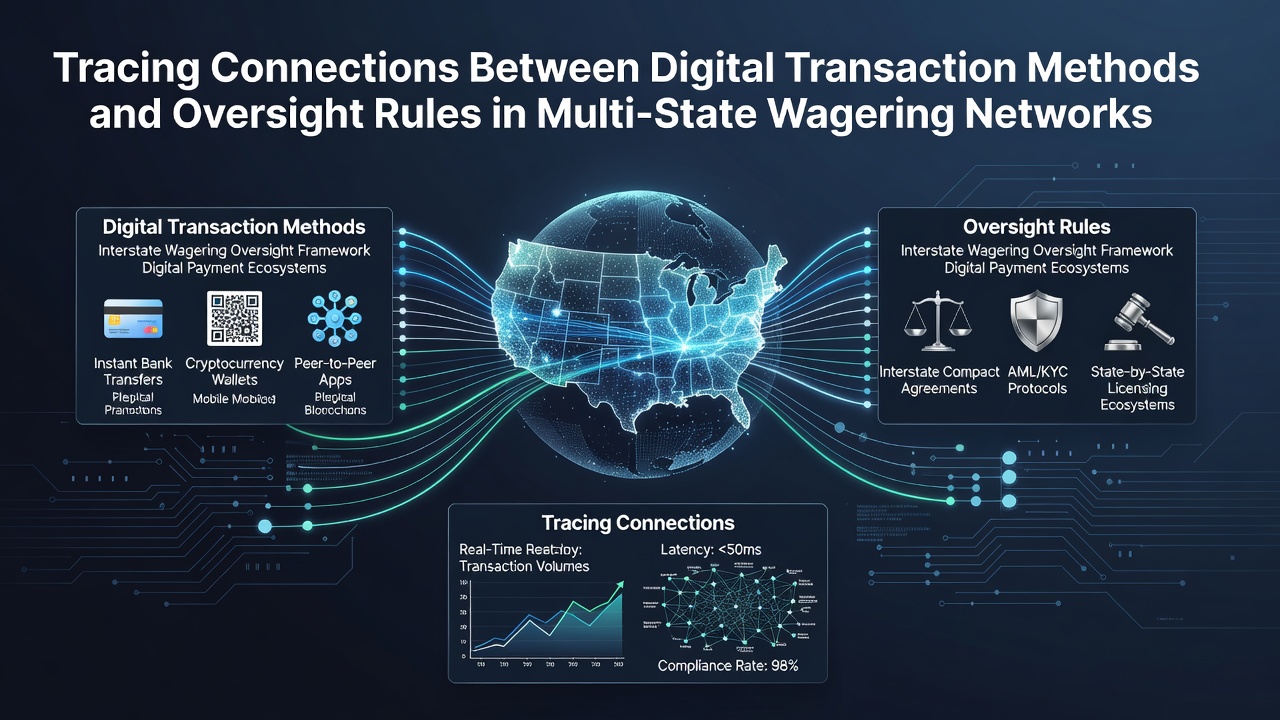
Digital transaction methods in multi-state wagering networks connect directly to oversight rules that vary by jurisdiction, and these links shape how operators process deposits, withdrawals, and compliance checks across state lines. Payment processors must navigate federal guidelines alongside state-specific statutes, which creates layered requirements for verification, reporting, and data sharing in systems that span several regulatory zones at once.
Core Payment Methods and Their Regulatory Ties
Electronic wallets, bank transfers, and certain cryptocurrency options serve as primary channels in interstate betting platforms, while each method triggers distinct oversight protocols enforced by state gaming commissions and federal financial monitoring bodies. Operators track transaction origins and destinations because rules require documentation of source of funds, especially when activity crosses into states with stricter anti-money laundering standards. Data from regulatory filings show that platforms using centralized ledgers reduce reporting errors compared with fragmented systems that rely on third-party gateways.
Those who manage multi-state networks often discover that real-time verification tools satisfy both payment processor standards and state audit demands simultaneously. Researchers have observed that integration of automated compliance checks at the point of transaction helps operators meet varying thresholds for player identification without slowing deposit speeds across different jurisdictions.
State Variations in Oversight Frameworks
Each state applies its own licensing conditions to transaction monitoring, which means an operator licensed in one location must adapt its payment infrastructure when expanding into another. Some states mandate daily reconciliation of digital transfers with gaming activity logs, whereas others require only periodic summaries submitted through secure portals. This patchwork forces network administrators to maintain separate rule sets within shared databases so that every transaction complies with the strictest applicable standard at the time of processing.
Figures released in August 2026 by several state agencies indicate rising volumes of cross-border wagers processed through digital channels, prompting updates to reporting frequencies in at least four jurisdictions. Observers note that these adjustments typically focus on shortening the window between transaction occurrence and regulatory notification rather than altering the underlying payment methods themselves.
Interstate Data Sharing and Compliance Challenges
Multi-state wagering networks rely on secure data exchanges between state regulators to verify that transaction records align with player activity across borders. These exchanges operate under memoranda of understanding that specify formats for sharing payment metadata while protecting personal information. Experts have documented cases where mismatched data standards between two states delayed payout approvals until both agencies reconciled their records through additional manual review.
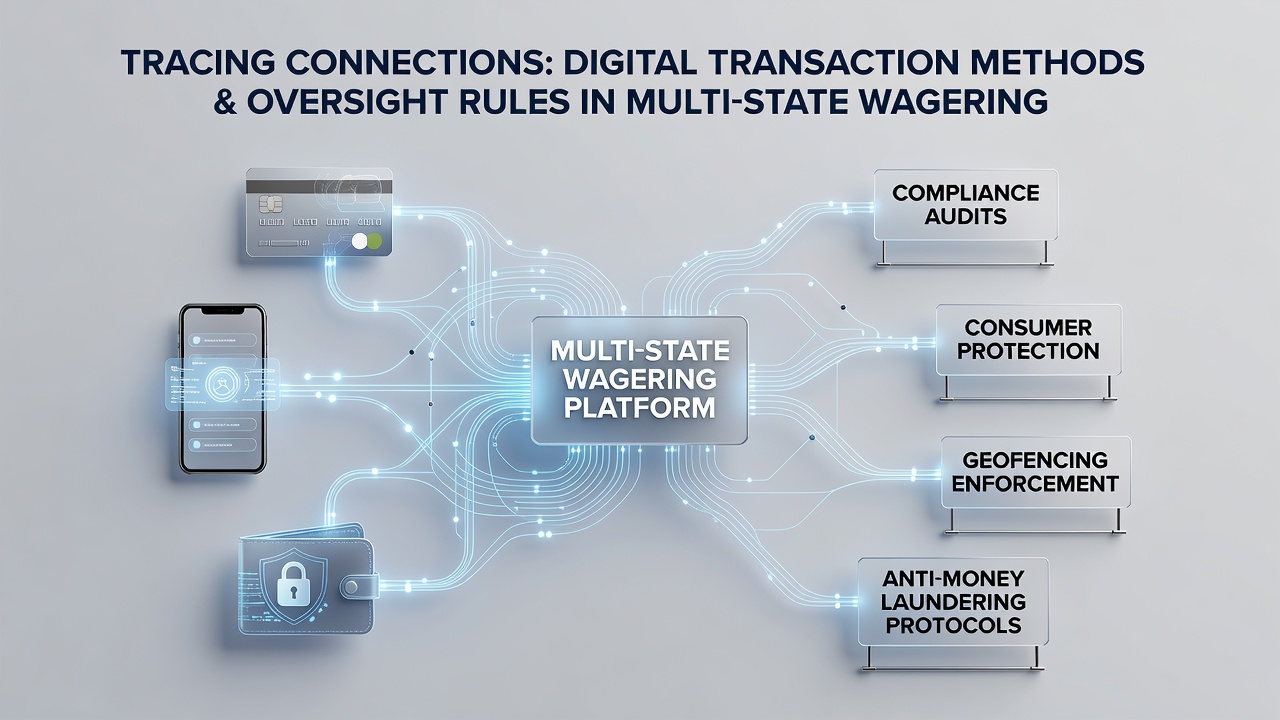
Payment method restrictions also differ, with certain states prohibiting specific digital assets while neighboring states permit them under licensed conditions. Operators therefore segment user accounts by residency and apply geo-fencing at the transaction level to prevent violations before funds move. Studies conducted by industry research groups reveal that such segmentation reduces compliance incidents by measurable percentages when implemented consistently across the network.
Recent Developments in August 2026
Regulatory updates issued during August 2026 addressed reporting thresholds for high-volume digital transfers in several multi-state setups, requiring operators to flag transactions above newly defined limits for enhanced review. These changes align with broader federal guidance on financial transparency and force platforms to upgrade their monitoring software within defined implementation periods. One study revealed that early adopters of updated protocols experienced fewer audit queries from state examiners in the following quarter.
Industry associations have compiled comparative charts showing how oversight intensity correlates with transaction volume across different regions, and these resources help operators anticipate where additional compliance layers may appear. Those who've studied this know that proactive alignment with the most stringent state rules often satisfies secondary jurisdictions without extra modifications.
Conclusion
Connections between digital transaction methods and oversight rules continue to evolve as multi-state wagering networks expand, with each new payment option introducing fresh compliance variables that regulators address through updated reporting and verification standards. Operators that map these connections systematically maintain smoother operations across jurisdictions while meeting the documentation demands that accompany every transfer. Data from ongoing regulatory filings demonstrate that integrated systems handling both payment processing and oversight checks deliver consistent results in environments where rules differ by state.