Decoding Player Retention Tactics Through Customized Reward Structures in Emerging Digital Betting Markets
Written by Riley Friedrich · May 19, 2026
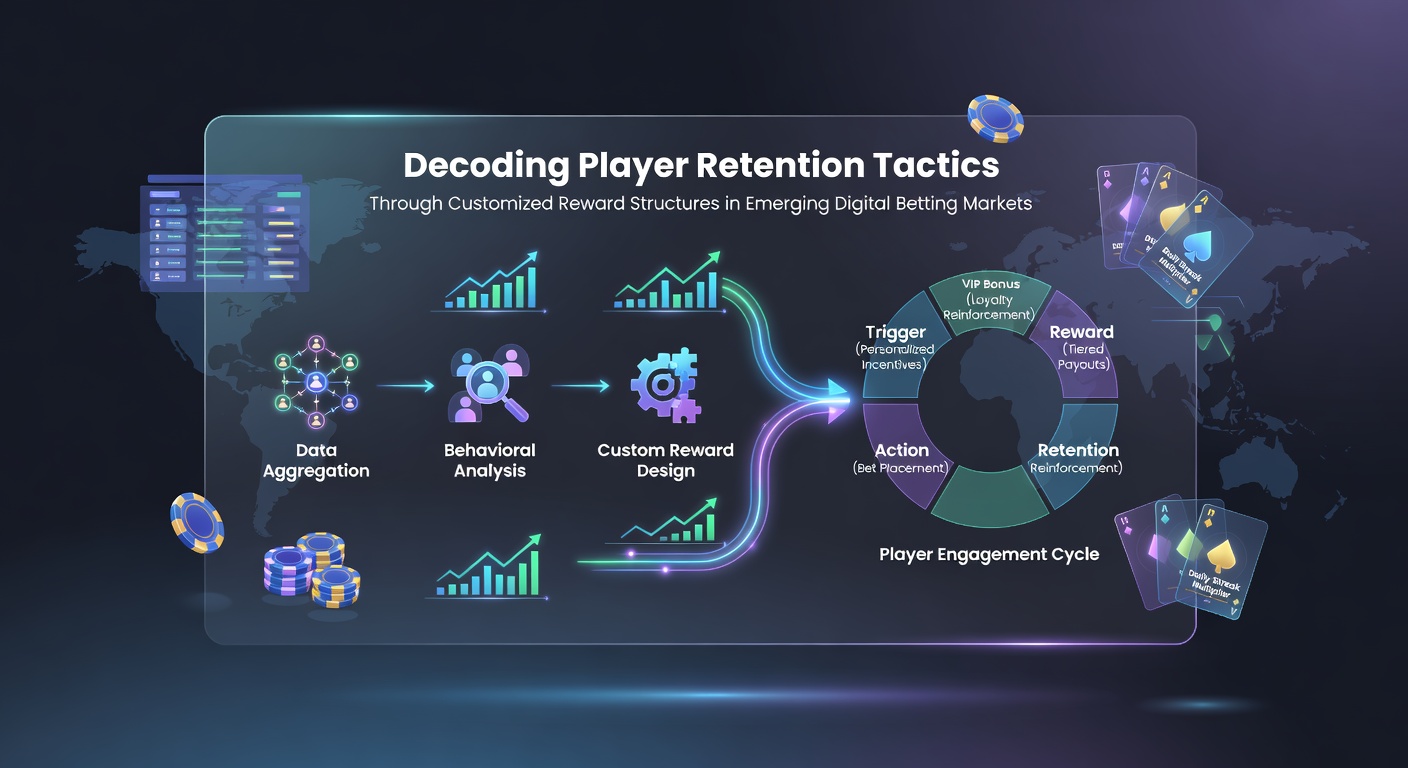
Decoding Player Retention Tactics Through Customized Reward Structures in Emerging Digital Betting Markets
Emerging digital betting markets across Latin America and Southeast Asia continue to expand rapidly as operators refine their approaches to keeping players engaged over time, and customized reward structures sit at the center of these efforts because they adapt to individual behavior patterns rather than applying one-size-fits-all incentives.
Platforms collect data on betting frequency, preferred game types, and deposit habits to build profiles that trigger specific offers, such as tiered cashback percentages or exclusive tournament entries, which adjust automatically based on recent activity levels.
How Data Shapes Reward Personalization
Operators track metrics like session duration and wager variety to determine which rewards will likely encourage repeat visits, while machine learning models analyze these signals in real time to adjust bonus thresholds or loyalty multipliers without manual intervention.
Research from academic institutions has shown that players receiving tailored promotions demonstrate longer engagement windows compared to those on standard bonus schedules, and this pattern holds across multiple jurisdictions where digital platforms launched within the past five years.
Take one operator in Colombia that introduced dynamic reward algorithms in 2024, for instance, where users who favored live sports betting received accelerated point accumulation toward event-specific merchandise or free bets, and retention figures rose measurably within six months of rollout.
Regional Adaptations in Emerging Markets
Markets in Brazil and Vietnam present distinct challenges because regulatory frameworks there emphasize responsible play alongside commercial growth, so reward systems incorporate spending caps and session reminders that integrate directly into the personalization engine.
According to a report published by the Australian Institute of Criminology, platforms operating in Asia-Pacific regions use geo-specific reward triggers tied to local events such as major cricket tournaments or football leagues, which creates timely relevance that static programs cannot match.
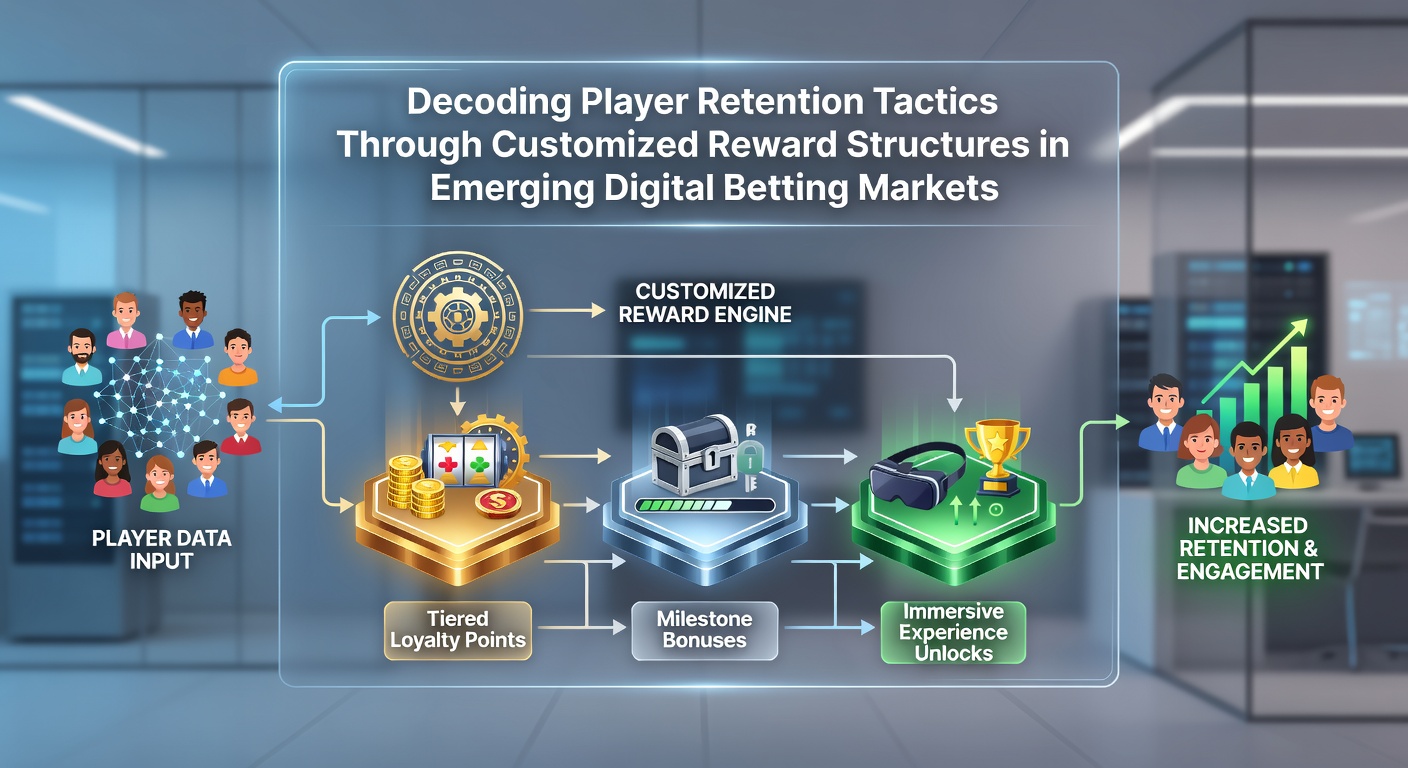
These adaptations matter because emerging markets often feature younger user bases with higher mobile usage rates, and rewards delivered through push notifications or in-app messages achieve faster uptake when they align with cultural preferences or payment method habits common in each area.
Observers note that loyalty tiers built around progressive benefits, such as reduced withdrawal fees after consistent activity or access to private betting pools, help convert occasional participants into regular users without relying solely on deposit matches.
Measuring Impact on Retention Metrics
Industry analyses from 2025 indicate that customized structures correlate with improved day-30 retention rates, particularly when rewards include non-monetary elements like achievement badges or social sharing features that foster community interaction around betting events.
Data compiled by the National Council on Problem Gambling in the United States highlights how segmented reward delivery can maintain engagement levels while embedding tools for self-limits, adn this balance supports sustained platform use in competitive environments.
One study revealed that users exposed to behavior-linked cashback programs showed a 22 percent increase in average lifetime value over twelve-month periods, though results vary depending on how operators calibrate reward frequency against risk management protocols.
Technological Enablers and Future Shifts
Blockchain-based loyalty tokens have started appearing in select platforms within Eastern Europe and Central America, allowing players to trade or accumulate rewards across multiple operators, and this interoperability adds another layer to retention strategies as markets mature.
As of May 2026, several platforms have begun testing AI-driven predictive models that forecast churn risk up to fourteen days in advance, enabling preemptive reward adjustments such as surprise bonus drops or personalized challenge sets designed to re-engage at-risk accounts.
These developments build on earlier experiments with gamified elements, where completing betting-related milestones unlocks escalating benefits, and they demonstrate how reward customization evolves alongside advances in user analytics and regulatory expectations.
Conclusion
Customized reward structures continue to define competitive positioning in emerging digital betting markets because they convert raw behavioral data into actionable incentives that align operator goals with individual player preferences, and ongoing refinements in May 2026 reflect broader industry movement toward more precise, responsive engagement tools.
Platforms that integrate these systems with transparent responsible gambling features position themselves for longer-term stability as markets formalize further.