Cross-Border Payment Regulations Impacting Live Dealer Tables in Hybrid Wagering Locations
Written by Clara Schmidt · Jun 4, 2026
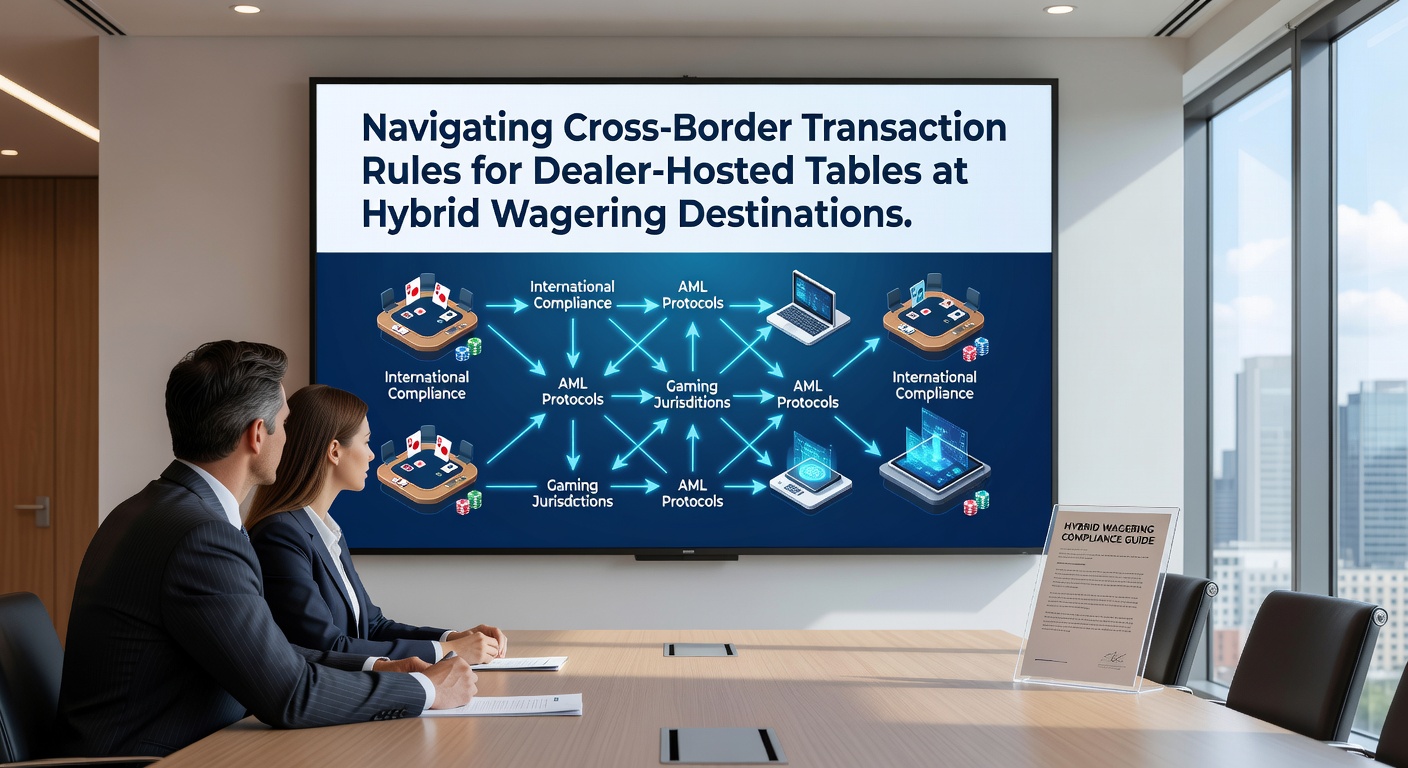
Cross-Border Payment Regulations Impacting Live Dealer Tables in Hybrid Wagering Locations
Hybrid wagering destinations combine sports betting with casino offerings that include dealer-hosted tables, which creates layered compliance demands when payments cross national boundaries, and operators must align with multiple sets of financial rules at once. These venues often serve players from different countries, which means transaction monitoring extends beyond domestic licensing to encompass anti-money laundering standards, currency controls, and data-sharing agreements between regulators.
Core Regulatory Layers Affecting Transactions
Observers note that financial intelligence units in various regions require real-time screening of transfers tied to live dealer activity because these games generate high volumes of rapid, small-to-medium bets that can mask layering techniques. Data from the Financial Action Task Force shows gambling operators must implement customer due diligence thresholds that trigger enhanced checks once cumulative activity reaches certain amounts within a defined period, and hybrid sites add complexity when sports wagers and table games occur on the same account.
Authorities in North America and Europe maintain separate reporting timelines for suspicious activity, yet convergence has increased since 2024 through mutual evaluation reports that emphasize consistent beneficial ownership identification. In June 2026 several jurisdictions aligned their record-retention periods for dealer-hosted table transactions to seven years, which simplifies audits for multi-license operators while raising storage costs for smaller platforms.
Practical Compliance Steps for Operators
Operators integrate automated transaction monitoring systems that flag cross-border deposits or withdrawals involving dealer-hosted tables when velocity patterns deviate from established player profiles. These systems cross-reference IP addresses, payment method origins, and account funding sources against watch lists maintained by multiple governments, and staff training programs now include scenario-based exercises focused on live dealer environments where bet timing and chat functions can signal collusion attempts.
One documented approach involves segmenting player accounts by primary jurisdiction so that transaction limits and verification documents match the strictest applicable rule set. This segmentation reduces false positives during automated screening while ensuring that dealer-hosted table winnings transferred internationally carry complete audit trails that satisfy both source and destination regulators.

Regional Variations and Recent Alignments
Canadian regulators through FINTRAC require monthly aggregate reporting of cross-border movements above CAD 10,000 when linked to gaming accounts, whereas Australian rules administered by AUSTRAC focus on threshold transaction reports that capture individual transfers regardless of frequency if they exceed AUD 10,000. Operators active in both markets maintain dual reporting dashboards that automatically populate required fields for each authority, which reduces manual reconciliation time.
Research from academic centers studying financial crime indicates that hybrid venues experience higher scrutiny on dealer-hosted table payouts because winnings can be converted into chips or credits that obscure fund origins. Platforms therefore apply blockchain analytics tools to cryptocurrency deposits funding these tables, and several operators now publish transparency reports detailing how many international transfers undergo additional review each quarter.
Technology and Record-Keeping Practices
Secure API connections between payment processors and venue management software allow instant verification of player identity documents against government databases in multiple countries. This integration supports continuous monitoring rather than point-in-time checks, which proves essential when players move between sports betting and live dealer tables within a single session. Record-keeping protocols now store transaction metadata, including timestamps and dealer identifiers, in encrypted repositories accessible to authorized regulators upon request.
Industry associations have developed standardized data formats that let hybrid operators share sanitized transaction summaries with partner banks, speeding up due diligence processes while protecting sensitive player information. These formats accommodate both fiat and digital asset movements, reflecting the growing presence of cryptocurrency options at dealer-hosted tables across licensed jurisdictions.
Conclusion
Cross-border transaction rules for dealer-hosted tables at hybrid wagering destinations continue to evolve through coordinated regulatory updates and improved technological safeguards. Operators that maintain jurisdiction-specific segmentation, automated monitoring calibrated to live dealer patterns, and extended record retention meet obligations across borders while supporting uninterrupted player experiences. As alignment between financial intelligence units deepens, platforms gain clearer pathways for compliant international transfers tied to mixed sports and casino activity.