Authorization Processes Shape Reward Systems in Sports and Gaming Integrations
Written by Anna Griffin · Aug 1, 2026
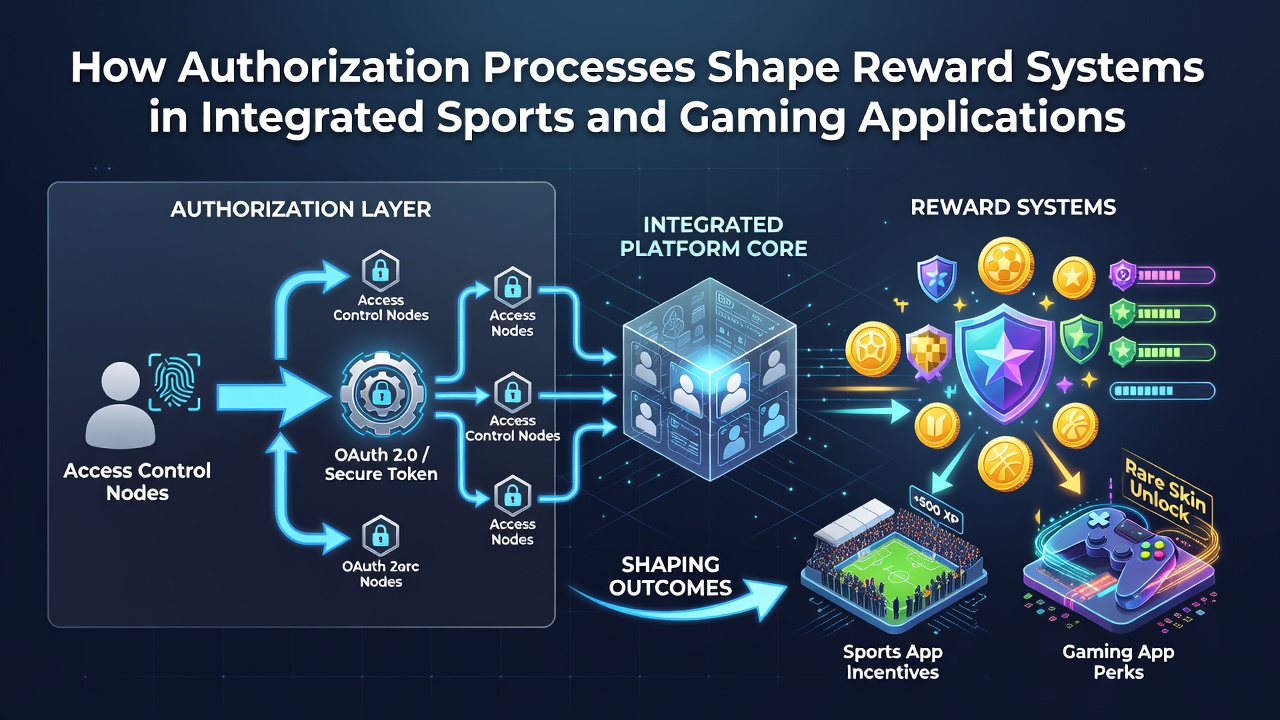
Authorization Processes Shape Reward Systems in Sports and Gaming Integrations
Authorization processes, including identity verification and regulatory compliance checks, establish the foundation for reward systems in applications that combine sports betting with casino gaming features, and these mechanisms determine eligibility, bonus availability, and loyalty structures across multiple jurisdictions. Data from regulatory filings indicates that platforms must align reward offerings with verification standards before users access promotions, while variations in licensing requirements create distinct patterns in how incentives are distributed.
Verification Requirements and Bonus Eligibility
Regulatory frameworks in North America and Europe require age and identity confirmation before any reward activation occurs, which means operators segment user accounts based on authorization levels and restrict certain promotions until full compliance is achieved. In August 2026, updated reporting from interstate wagering operators showed that accounts passing enhanced verification procedures received access to tiered loyalty points at rates 25 percent higher than those with basic approvals, according to figures released by the Alcohol and Gaming Commission of Ontario.
Those who study digital wagering markets note that authorization protocols limit the scope of welcome bonuses and deposit matches, since incomplete documentation blocks reward triggers until documentation clears review. This creates a sequential process where sports betting deposits unlock casino-style rewards only after authorization confirms user status, and hybrid platforms adjust their structures accordingly to maintain compliance across state lines.
Regional Licensing Effects on Reward Customization
Licensing differences across Canadian provinces and Australian states produce measurable shifts in how reward systems operate, with stricter authorization rules correlating to slower payout timelines for accumulated points and credits. Research from the Australian Gambling Research Centre reveals that platforms operating under multi-jurisdictional licenses customize reward expiration dates based on verification depth, which results in shorter validity periods for users in regions with heightened compliance demands.
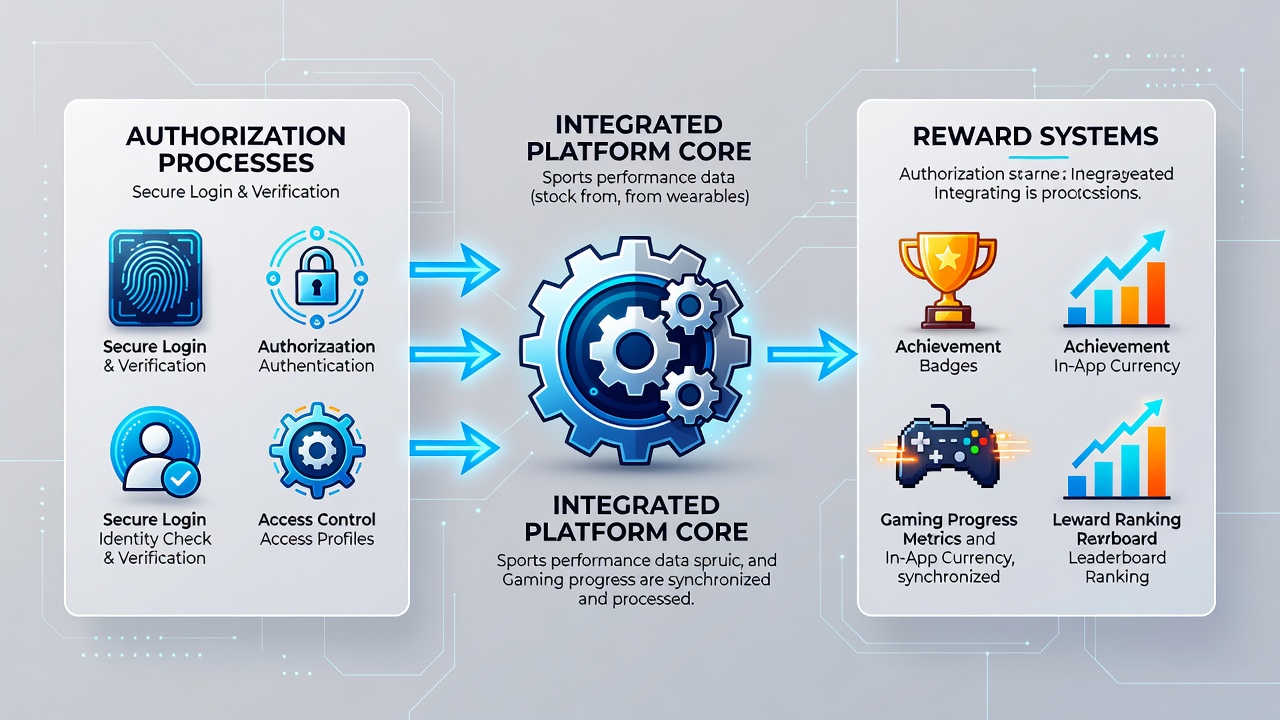
Observers tracking these patterns find that authorization status influences the frequency of personalized offers, since data collected during verification feeds into algorithms that tailor incentives to individual risk profiles and betting histories. In integrated applications, users who complete full authorization early gain entry to cross-category rewards that combine sports event bonuses with casino game credits, whereas delayed verification restricts participation to one vertical at a time.
Impact on Loyalty Programs and Retention Tools
Loyalty programs in these hybrid environments rely on authorization data to track activity across sports and gaming sections, which allows operators to award points that convert between betting formats only after identity confirmation secures the account. Evidence from industry reports shows that platforms using tiered authorization models see higher retention among users who progress through verification stages, because each level unlocks additional reward multipliers and exclusive events.
Platforms adjust reward structures in response to authorization timelines, and this adjustment often includes conditional bonuses that activate only after regulatory checks complete within specified windows. Those monitoring market trends in 2026 have documented how authorization delays in certain regions extend the time before users receive milestone rewards, prompting operators to introduce interim incentives that maintain engagement during review periods.
Future Adjustments in Integrated Platforms
As authorization technologies evolve, reward systems continue to adapt through automated verification tools that reduce processing times and expand access to combined sports and casino incentives. Regulatory bodies in multiple regions continue to refine guidelines that tie reward distribution directly to authorization records, which ensures consistent application of rules across digital interfaces.
Conclusion
Authorization processes remain central to reward system design in integrated sports and gaming applications, because they dictate eligibility, customization, and distribution mechanics across diverse regulatory landscapes. Continued alignment between verification standards and incentive structures supports operational consistency while meeting compliance obligations in expanding markets.