Analyzing How Licensing Variations Shape Mobile Payment Integrations Across Global Sports Wagering Platforms
Written by Carlo Richter · May 16, 2026
Analyzing How Licensing Variations Shape Mobile Payment Integrations Across Global Sports Wagering Platforms
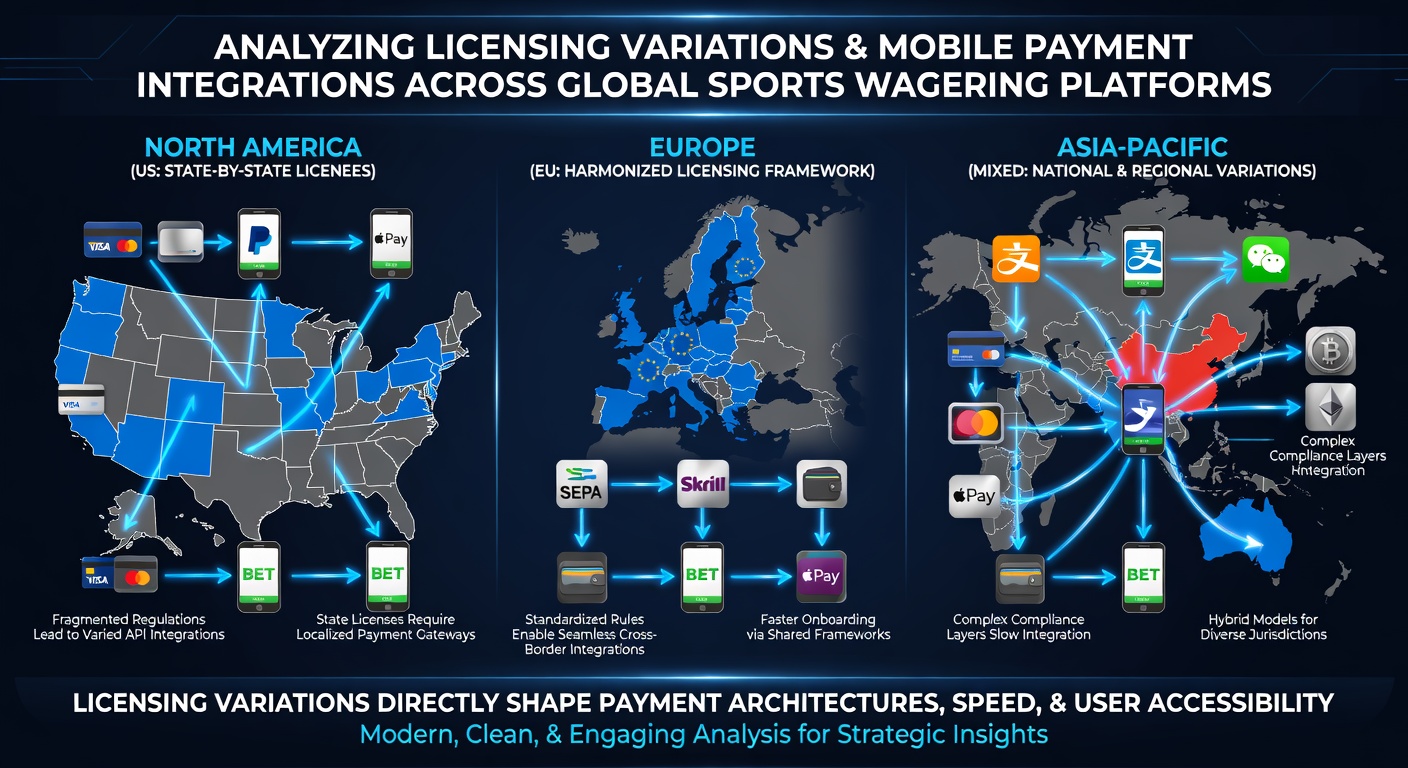
Global sports wagering platforms face a patchwork of licensing rules that directly control which mobile payment methods operators can offer users, and these variations create distinct integration patterns from one jurisdiction to another. Licensing authorities set approval thresholds for payment processors, data security standards, and transaction monitoring requirements, which means a single app might support Apple Pay in one region while relying on bank transfers or e-wallets elsewhere.
Regional Licensing Structures and Payment Gateways
North American markets illustrate the point clearly because each state or province maintains its own regulatory framework. In Ontario operators must register with iGaming Ontario before they can connect any mobile wallet, and the agency requires proof that payment partners comply with Canadian anti-money-laundering rules. Data from the first full year of legal single-event sports betting showed that licensed platforms achieved higher adoption of Interac e-Transfer once the regulator confirmed direct bank integration pathways.
Across the European Union, licensing remains national even though the Payment Services Directive provides a common baseline for electronic transfers. Malta and Gibraltar issue remote gambling licenses that explicitly list acceptable payment providers, whereas countries such as Spain and Italy require operators to route all transactions through locally licensed financial institutions. Those rules have pushed several major platforms to partner with domestic banks rather than global card networks, resulting in slower onboarding for users who prefer digital wallets.
Asia-Pacific jurisdictions add another layer of complexity. Australian states issue wagering licenses that permit a narrow set of approved payment rails, including POLi and BPAY, while Singapore maintains a near-total prohibition on most remote betting apps. Operators that hold licenses in multiple Australian territories therefore maintain separate payment stacks for each state, increasing development costs but ensuring compliance with local transaction caps.
Technical Integration Challenges Created by License Conditions
License conditions often dictate the precise technical standards mobile payment integrations must meet. Some regulators require end-to-end encryption plus real-time transaction monitoring that feeds directly into government databases, while others accept tokenization methods already approved by central banks. Platforms that operate across borders must therefore maintain modular codebases so that a single user interface can swap payment modules depending on the user’s detected location and the active license.
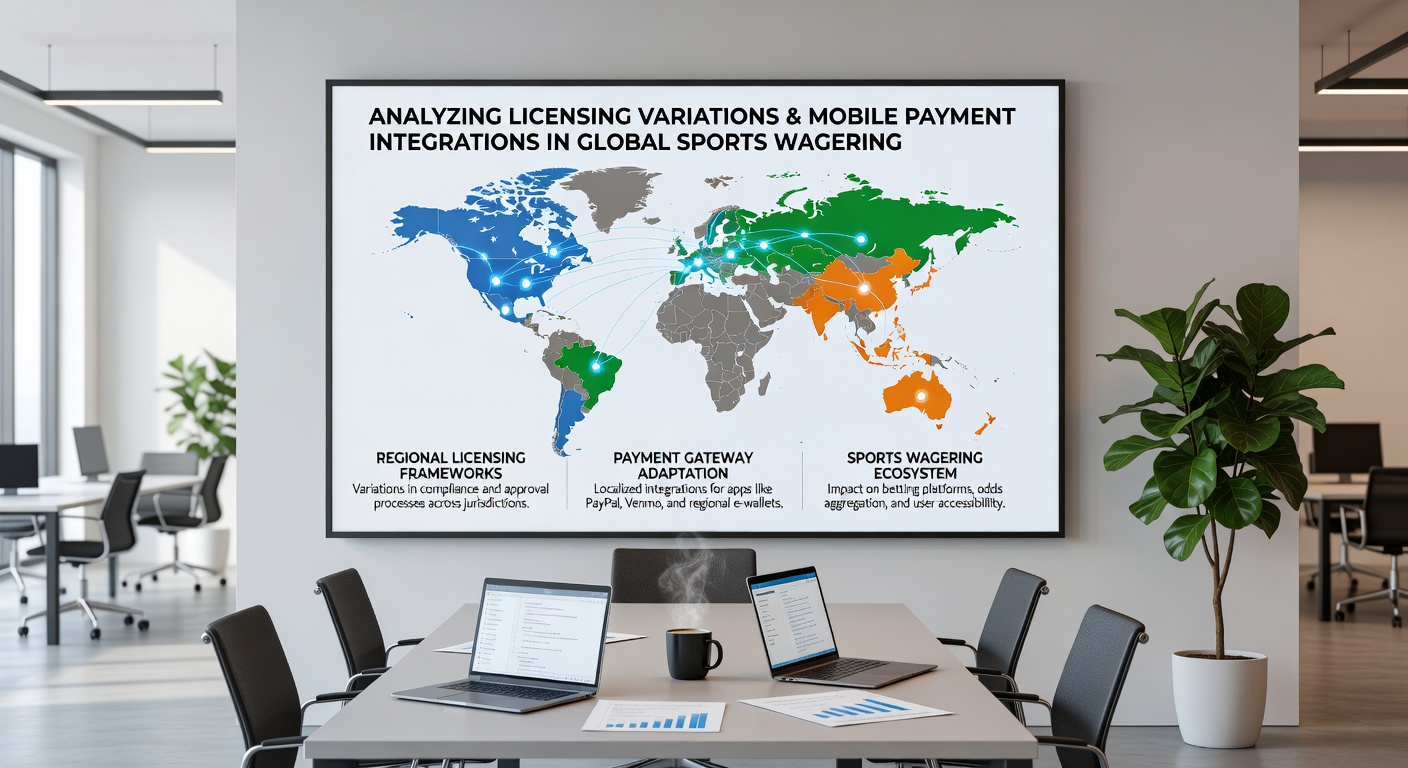
Payment providers themselves must obtain separate approvals in many markets. Apple Pay and Google Pay, for example, undergo jurisdiction-specific reviews before they appear inside licensed betting apps. In markets where those reviews move slowly, operators fall back on proprietary wallets or prepaid cards that carry their own licensing overhead. Observers note that this dynamic creates competitive advantages for larger operators who can absorb the cost of multiple certification processes.
Case Examples from Active Markets in 2026
By May 2026 several U.S. states had updated their licensing rules to address open-banking standards. Michigan and Pennsylvania both introduced requirements that operators integrate at least one bank-transfer option alongside card payments, prompting a wave of new partnerships between sportsbooks and regional credit unions. Early figures released by state regulators showed a measurable shift in deposit methods once those rules took effect.
In Canada the Atlantic provinces began accepting applications for additional mobile sports wagering licenses in early 2026, and the request for proposals explicitly listed preferred payment rails including Interac and selected fintech providers. Operators that had already built compliant systems for Ontario simply extended those modules rather than rebuilding from scratch, illustrating how prior licensing experience can accelerate market entry.
Australian operators faced a different timeline. New South Wales and Victoria both scheduled license renewals for mid-2026 that include updated responsible-gambling data-sharing mandates tied directly to payment transaction logs. Companies preparing for renewal therefore invested in enhanced analytics layers that feed both their internal risk engines and the required regulatory feeds.
Future Adjustments and Market Projections
Industry reports project that licensing authorities will continue tightening payment-related conditions through 2027. Central banks in several jurisdictions are exploring central-bank digital currencies as potential settlement rails for licensed gambling, which would require yet another round of technical integrations once pilot programs conclude. Platforms that maintain flexible architecture stand to adapt more quickly when those options become available.
Meanwhile cross-border licensing agreements remain rare. Although some European regulators have begun discussing mutual recognition of payment certifications, progress has been incremental. Operators therefore continue to treat each license as a standalone technical project, budgeting separately for certification, testing, and ongoing compliance audits.
Conclusion
Licensing variations across global sports wagering markets function as the primary gatekeeper for mobile payment integrations, shaping everything from which wallets appear in an app to how quickly new methods reach users. Jurisdictions that impose strict local-bank requirements create slower but more contained ecosystems, whereas markets with open standards for approved providers foster faster adoption of digital wallets. As regulators refine their rules through 2026 and beyond, operators that track these changes closely and maintain modular payment infrastructure will remain best positioned to serve users wherever licensed sports wagering expands.